

Alkagrain
Alkagrain is the most effective way to utilise native grain growth.

Alkagrain is produced when cereals are mixed with our Home n’Dry protein pellet. Whole grains are harvested at combine ready stage and an ideal moisture content of 18% – 20% and conserved in an Alkaline state (pH 8 – 9) with the ammonia releasing Home n’Dry protein pellet.
The grain is sealed for a minimum of three weeks to produce a high quality, highly digestible feed that provides all the concentrate feed requirements from one pit. Grains must be cracked or rolled before being fed, to aid digestion.
In the past the greatest obstacle to feeding native wheat and barley has been the richness of these products as a ruminant feed, overcome by the inclusion of hulls, palm kernel, gluten, citrus, sunflower, distillers, etc.
The addition of Home n’Dry to produce Alkagrain resolves this issue as animals can consume and efficiently digest significant volumes of this grain safely.
It offers all the benefits of locally produced top quality feed at a lower price. Mature grain ranging from 15% – 20% moisture can benefit from Home n’Dry protein pellets achieving excellent results from an animal performance perspective.
Alkagrain is feed safe, high performing, low carbon cereal grain.
Key Features & Benefits of Alkagrain
- Cereal Protein levels of 14% – 16% crude protein
- Alkaline pH provides a buffer to improve rumen function
- Increased dry matter intakes
- Alkaline pH
- Ready to feed from store
- Increased animal performance
- Lower feed costs
- Less foot and lameness problems in dairy cows
- Improved animal health
- Faster growth, better carcass characteristics and less liver lesions in intensive finished beef
- Moist grain so no negative effect on nitrates regulations
- Ideal to balance acidic silages complete sustainability solution for local dairy, beef and sheep farmers
What about Rumen pH?
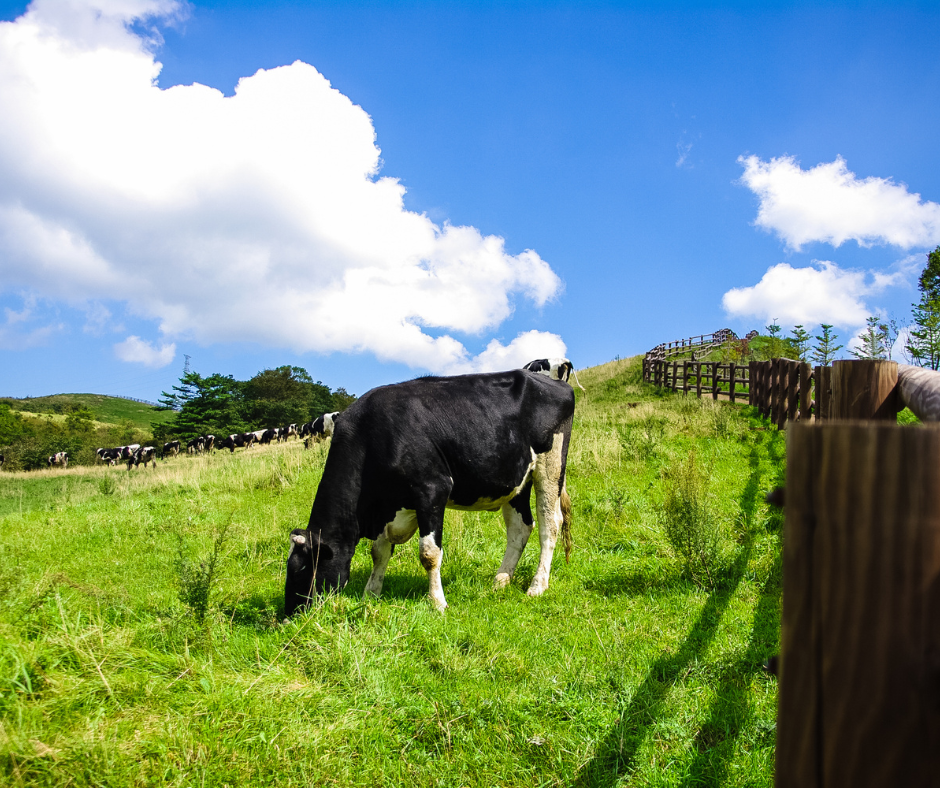
What is pH?
- pH is a measure of the strength of acid or alkali
- Optimum rumen pH provides
- Rumen stability & optimum bacteria growth
- What is the ideal Rumen pH?
- Rumen microbes tend to perform at their best at their best within a pH range of around 5.8 – 6.6
Abnormal or unstable rumen pH can cause disruption or Rumen function, poor diet utilisation, acidosis, poor performance and have a negative affect on animal health.
Reading the pH scale
Changes are bigger than you think
- pH6 is 10x more acidic than pH7
- pH5 is 100x more acidic than pH7
- pH4 is 1000x more acidic than pH7
- pH3 is 10,000 times more acidic than pH7
UFL
Due to the fact that the mature grain is not rolled very fine during the Alkagrain process, the release of starch is slower in the rumen than the conventionally rolled cereals. This results in a feed that while high in starch is very rumen friendly and combined with the alkalinity this is why larger volumes of Alkagrain can be fed than traditional forms of cereals.
Alkagrain is a very safe feed and can make up a very high [percentage of the diet depending on performance levels. Ideally for high production and younger animals, higher feed rates are best suited to diets that contain good levels of sugar (molasses, lactose, fodder, beet, sugar beet or grazed grass) and digestive fibre.
Alkagrain also has a higher starch level than moist crimped grains. Alkagrain supplies high energy starch coupled with achieving optimum rumen pH for thorough digestion. The alkaline nature improves the rumen function which in turn helps to capture even more nutrients.
Alkagrain is higher in dry matter compared to caustic soda treated or crimped counterparts and has significantly high protein contents.
The buffering effect of Alkagrain can allow higher inclusion of home grown cereals safely. Simplistically the buffer capacity of 4kgs of Alkagrain is equivalent to at least 175g of Sodium Bicarbonate.
Feeding Rates
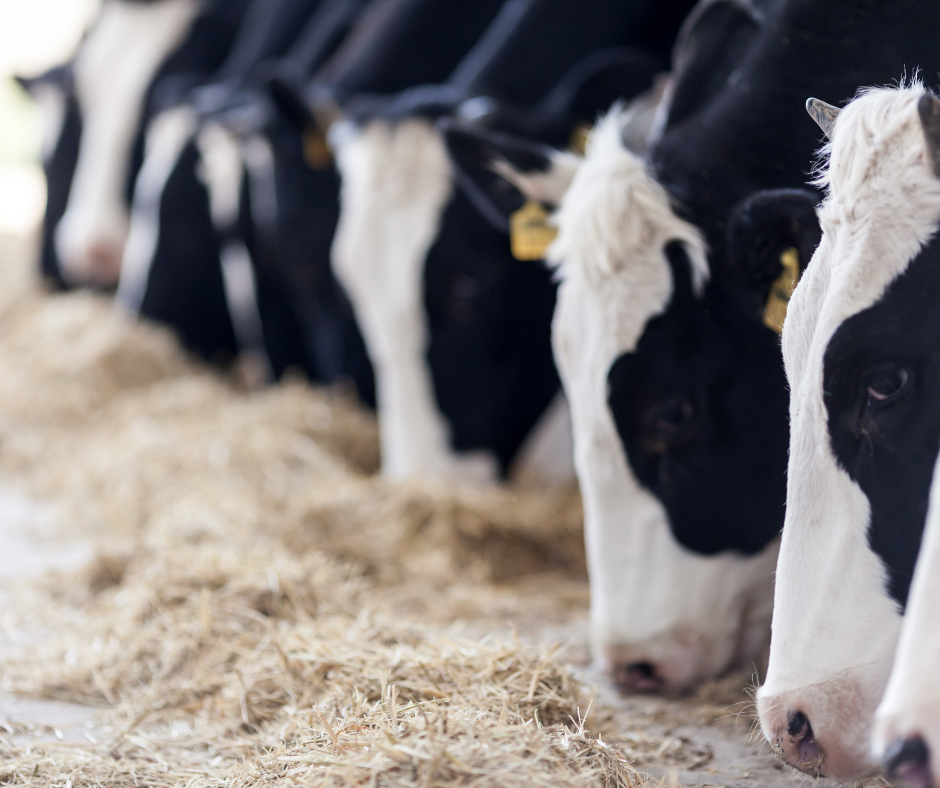
Dairy Cows (Indoors)
Alkagrain can replace all the cereal in the diet while adding additional protein and can be fed as the sole parlour feed source along with mineral supplementation.
Typical feed rate: 2 – 6 kg per day
Dairy Cows (At Grass)
Alkagrain is commonly used as an ideal complement to grazed grass in conjunction with a digestible fibre source.
Typical feed rate: 1 – 4 kg per day
Dry Cows
Alkagrain is safe to feed to dry cows as part of a carefully balanced diet as care must be taken of the excessive levels of weight gain.
Maximum feeding rate: 0.5 – 1 kg per day
Calves and Rearing Cattle
Young stock can effectively utilise Alkagrain provided that they are fully ruminating. Introduce feeds gradually and include at up to 40% of total feed intake according to forage quality and growth rate required.
Typical feeding rate:
3 months old – 1 – 2 kg per day
12 – 15 months old – 2 – 4 kg per day
Suckler Cows
Can be used as the sole concentrate depending on required production level and available forage quality.
Typical feeding rate: Up to 2 kg per day
Intensive Beef
Alkagrain can be fed ad lib provided the whole feed is balanced and introduced gradually. An effective fibre source such as straw should be included in the diet.
Typical feeding rate: Up to 9 kg per day
Ewes
Alkagrain can make up the major part of a ewes diet and works best with a bypass protein (like soya) and sugars.
Typical feeding rate:
Lowland ewes – up to 1.25 kg per day
Highland ewes – up to 0.75 kg per day (depending on body condition, lambing % and forage quality)
Lambs

Alkagrain is very useful in an intensive lamb finisher diet as the buffering effect helps to stabilise digestion and gut health.
Typical feeding rate: 1 – 1.5 kg per day
Creep Diets
Alkagrain can be a key ingredient for lamb and calf creep feeds provided the sugar, bypass protein, fibre and mineral content are balanced. It is possible to use 100% alkagrain in calf diets at grass.